Wallet Hierarchy Visual Guide Updated: April 14, 2026

Deterministic wallet architecture from mnemonic to private notes.

This page turns the wallet hierarchy reference into a browsable website guide so users can learn recovery, key derivation, and private-send behavior before mainnet. It is the same model used for distribution docs, with math and constants kept aligned to the current implementation guidance.

Simple Mental Model

  • Mnemonic words Your recovery root. Same words plus same passphrase and derivation path reconstruct the same wallet tree.
  • Two cryptographic branches Falcon handles identity/signing, while Kyber handles private payload encryption pathways.
  • Role-separated addresses Regular, bond, and stake addresses are domain-separated even when they come from one root.
  • Recovery is two-stage Rebuild deterministic identity first, then rescan chain state to restore confirmed balances and note status.
Visual Map

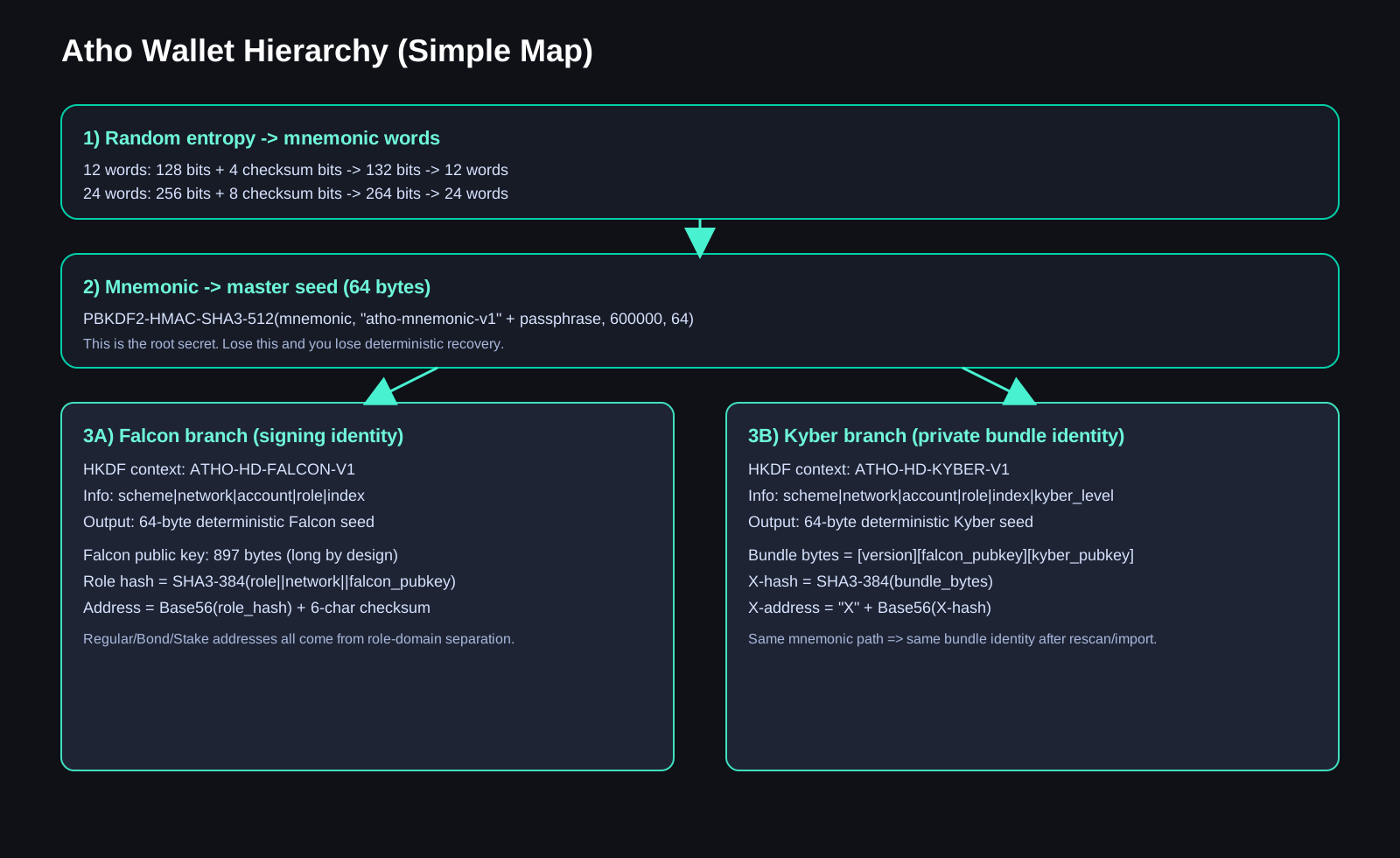
One mnemonic root, multiple deterministic identities.

Atho wallet hierarchy from mnemonic to Falcon and Kyber branches.
Mnemonic + Seed Math

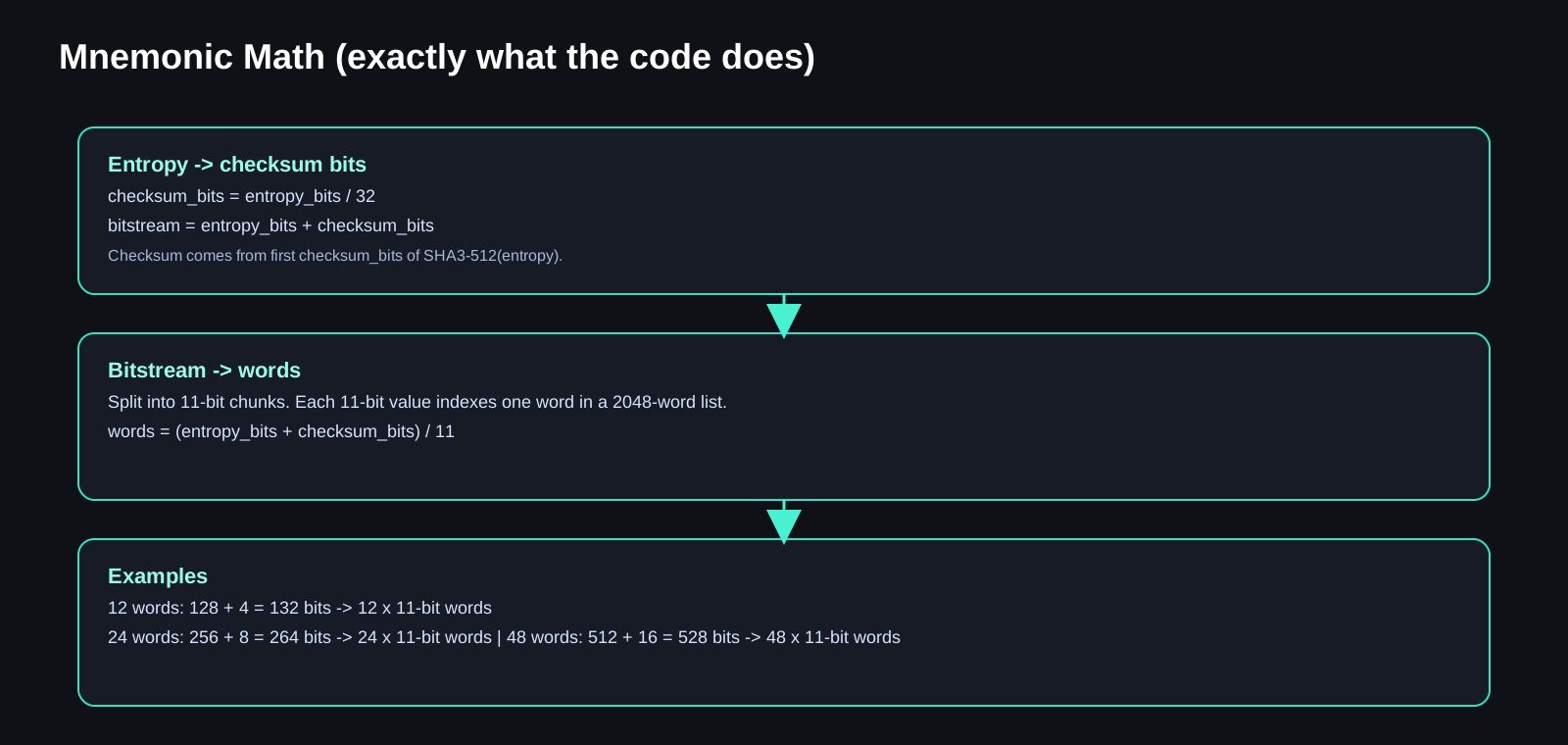
Exact mnemonic sizing, checksum, and PBKDF2 behavior.

Source behavior from Src/Accounts/mnemonic.py maps supported word lengths to entropy, checksum, and deterministic seed derivation with fixed normalization and iteration rules.

Supported Mnemonic Sizes

12 words16 bytes entropy (128 bits)
24 words32 bytes entropy (256 bits)
48 words64 bytes entropy (512 bits)
checksum_bits = entropy_bits / 32
bitstream = entropy_bits + checksum_bits
words = bitstream / 11

Seed Derivation

seed = PBKDF2-HMAC-SHA3-512(
  password = normalized_mnemonic,
  salt = "atho-mnemonic-v1" + normalized_passphrase,
  iterations = 600000,
  dklen = 64
)
NFKD normalization Iteration guard: minimum 100000 Output: 64 bytes

Mnemonic Checksum Visual

Mnemonic entropy plus checksum bitstream diagram.

Falcon Branch Derivation

Falcon deterministic seed uses domain-separated HKDF context to isolate signing identity derivation from every other branch.

context = "ATHO-HD-FALCON-V1"
info = "atho-mnemonic-v1|<network>|<account>|<role>|<index>"
falcon_seed_64 = HKDF-SHA3-512(seed, context, info, 64)
Deterministic Falcon keygen Role + network scoped

Kyber Branch Derivation

Kyber deterministic seed uses a distinct context and an explicit Kyber level suffix, preventing Falcon/Kyber cross-protocol key coupling.

context = "ATHO-HD-KYBER-V1"
info = "atho-mnemonic-v1|<network>|<account>|<role>|<index>|kyber=<level>"
kyber_seed_64 = HKDF-SHA3-512(seed, context, info, 64)
Independent branch domain Level-aware derivation info
Address and Bundle Identity

Role-separated address math and private bundle structure.

Address Derivation + Checksum

role_digest = SHA3-384(
  role_domain || 0x00 || network_domain || 0x00 || falcon_pubkey_bytes
)

body = role_prefix + Base56(role_digest)
checksum_raw = SHA3-256(body_utf8)[0:4]
checksum_b56 = Base56(checksum_raw), fixed to 6 chars
address = body + checksum_b56
Domains: ATHO_ADDR_V1 / ATHO_BOND_V1 / ATHO_STAKE_V1 Base56 typo-resistant alphabet

Private Bundle Bytes

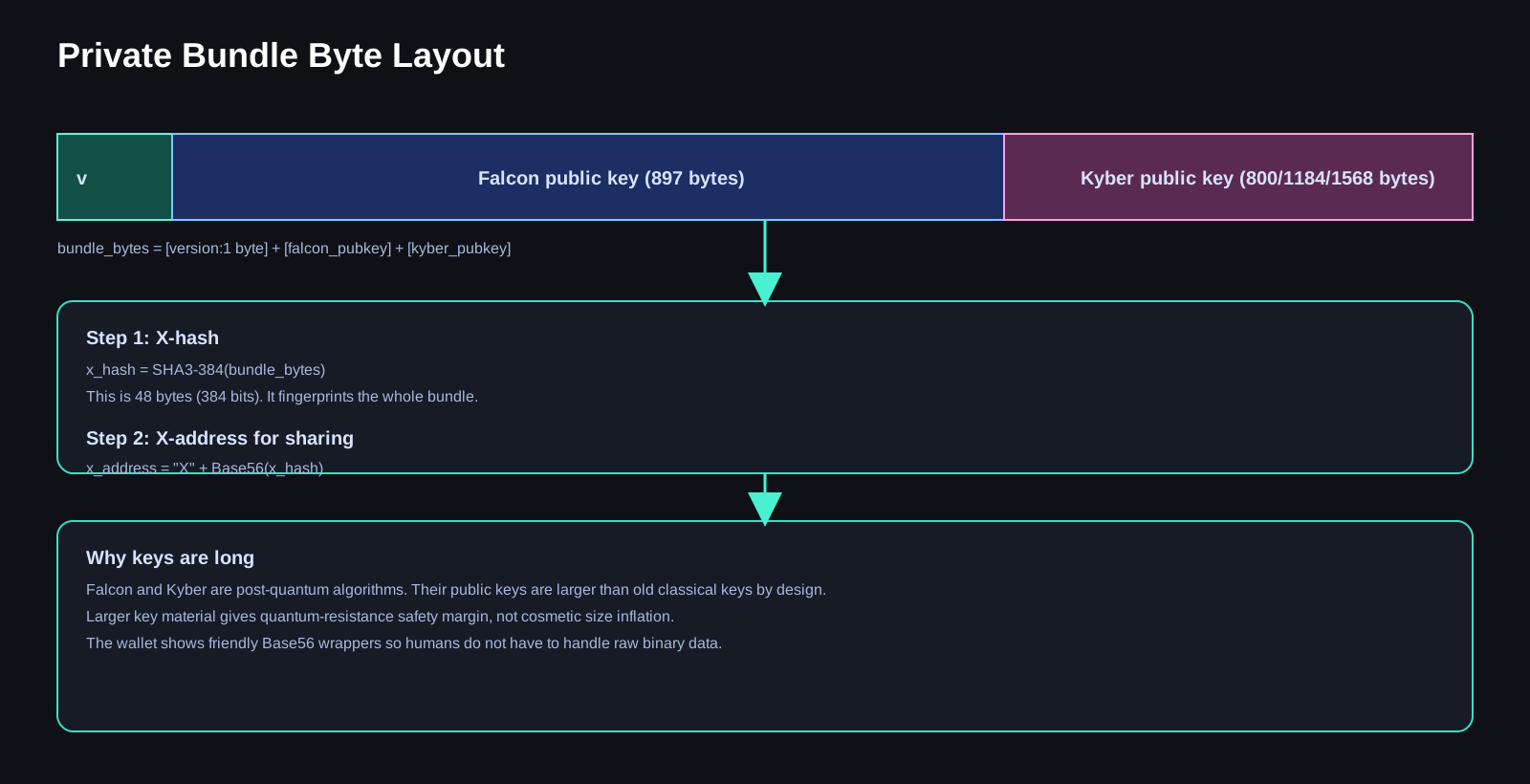
bundle_bytes = [version:1 byte] || [falcon_pubkey] || [kyber_pubkey]
x_hash = SHA3-384(bundle_bytes)
x_address = "X" + Base56(x_hash)
Falcon public key897 bytes
Kyber public key800 / 1184 / 1568 bytes
Reason for sizePost-quantum lattice security tradeoff

Private Bundle Layout

Binary layout of private bundle format with version and key payload fields.

Private Note Math

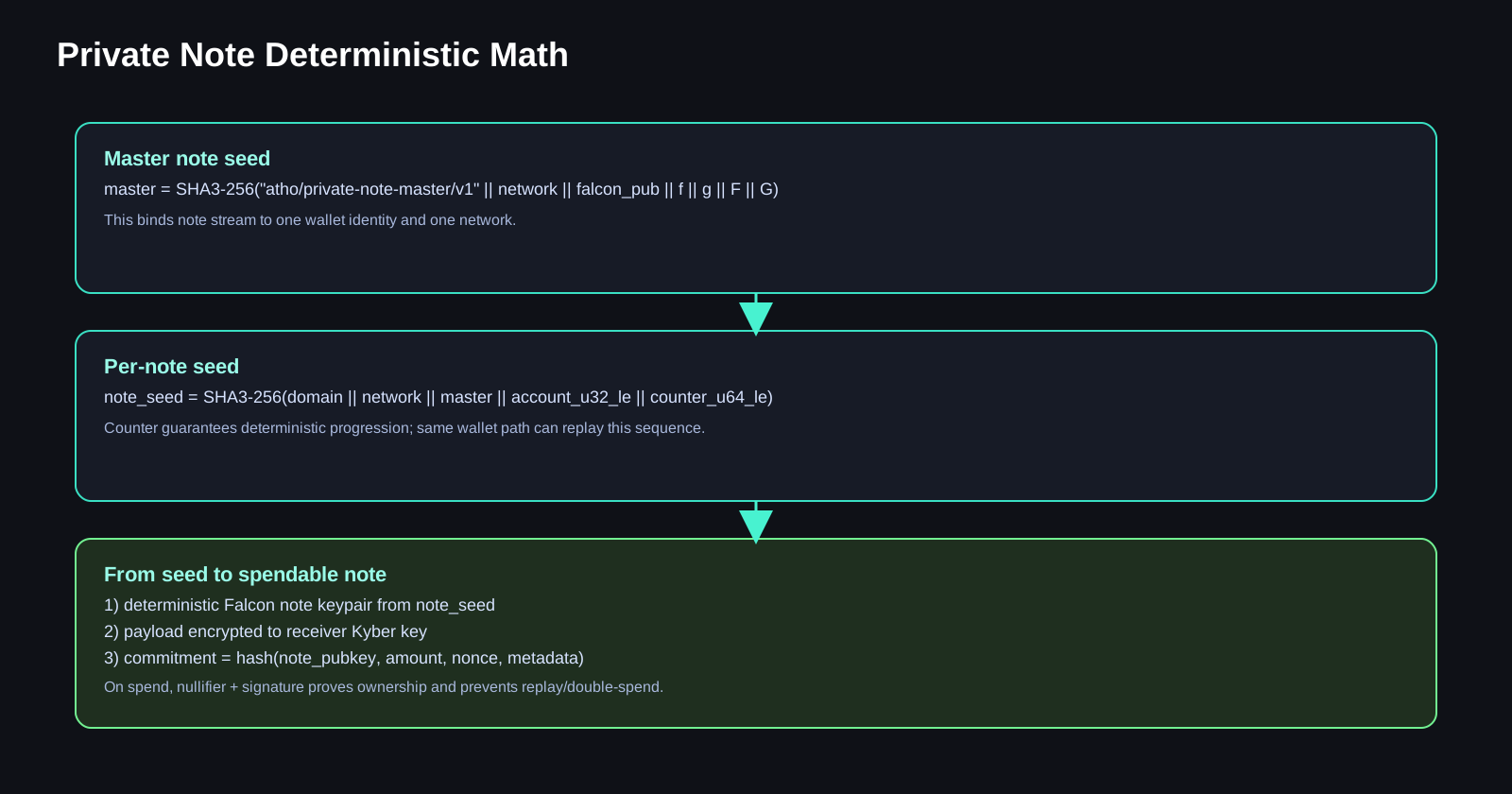
Private note commitment and deterministic note seed generation flow.

Private Send Fee and Confirmation Policy

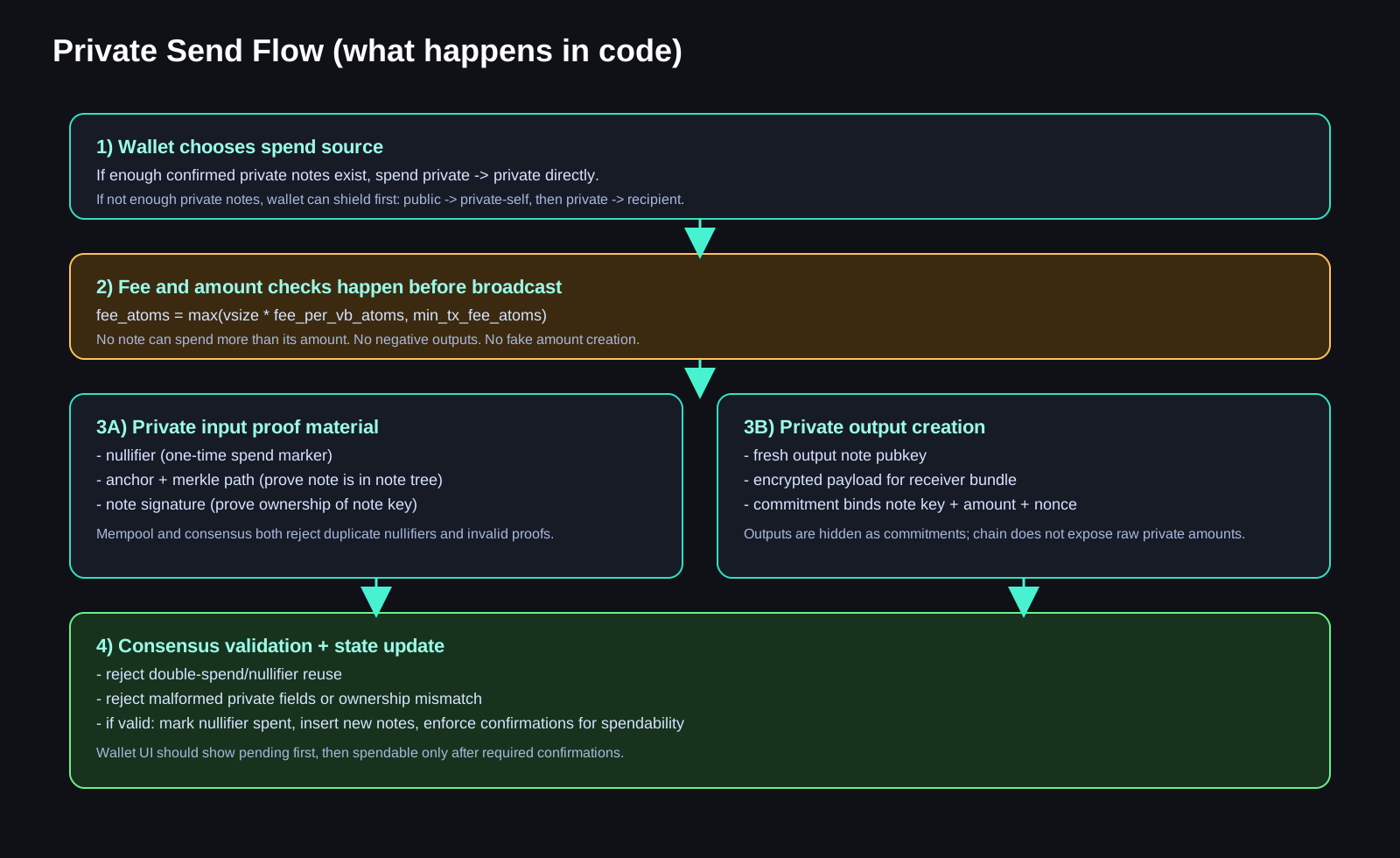
required_fee_atoms = max(vsize * fee_per_vb_atoms, min_tx_fee_atoms)

fee_per_vb_atoms = 500
min_tx_fee_atoms = 200000
private_tx_confirmations = 10
coinbase_maturity = 150
1 ATHO = 1,000,000,000 atoms 500 atoms/vB = 5e-7 ATHO/vB Pending -> spendable after confirmation policy

Spend-Safety Rules (Conceptual)

note_master = SHA3-256(
  "atho/private-note-master/v1" || network || falcon_pub || f || g || F || G
)

note_seed = SHA3-256(
  domain || network || note_master || account_u32_le || counter_u64_le
)
  • Nullifier uniqueness Rejects replay and private double-spend attempts.
  • Anchor and Merkle-path checks Spend proof must reference valid note-tree membership.
  • Signature and amount constraints Malformed payloads and invalid arithmetic are fail-closed rejected.

Private Send Flow

Private send transaction flow from note selection through proof validation and confirmation.

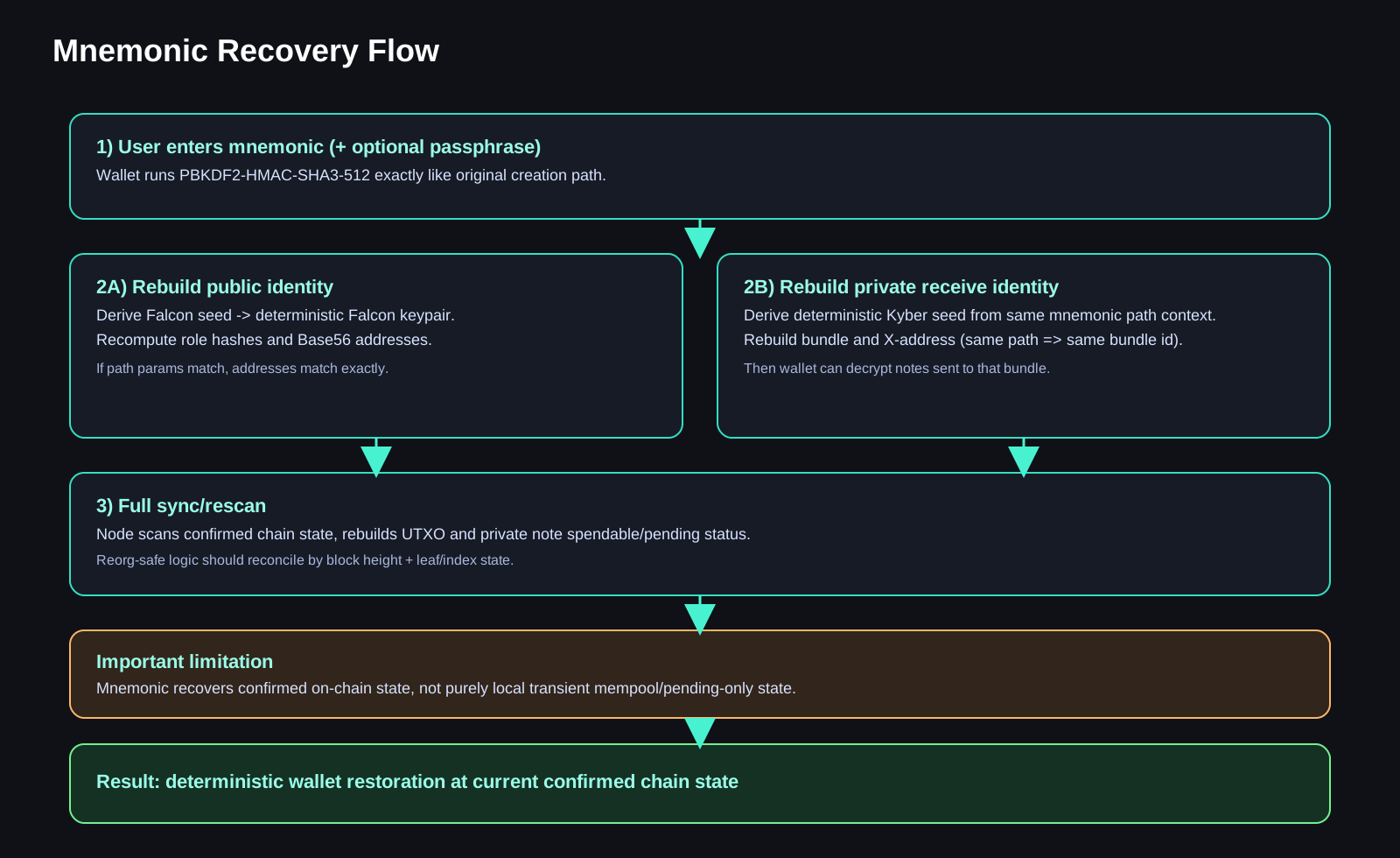
Recovery Flow

Recovery flow from mnemonic restoration through chain rescan and note reconciliation.

Recovery Includes Two Layers

  • Deterministic identity rebuild Mnemonic + passphrase + account/index/role + network recreate Falcon, role addresses, and Kyber bundle identity.
  • Chain-state reconstruction Full sync/rescan restores confirmed UTXOs, private notes, and matured spendability state.

What Mnemonic Alone Does Not Restore

  • Unfinalized local mempool metadata Transient local-only pending markers are not canonical if they never finalize on-chain.
  • UI cache artifacts Display cache is reconstructable but not equivalent to consensus-confirmed balance truth.
Current Policy Snapshot

Constants referenced in wallet hierarchy behavior.

These values are listed in the guide as the active protocol policy snapshot used for wallet and private-note flows.

Monetary Units + Fees

Atoms per coin1,000,000,000
Fee floor500 atoms/vB
Min transaction fee200,000 atoms
Dust limit20,000 atoms

Confirmations + Spendability

Regular confirmations10
Private confirmations10
Coinbase maturity150 blocks

Staking + Bonding Bounds

Min stake20 ATHO
Max stake per address1,000 ATHO
Max network staked total75,000,000 ATHO
Max new stake rolling 30d50,000 ATHO
Stake rolling window21,600 blocks
Stake unbonding delay129,600 blocks
Min mining bond25 ATHO
Max bond per address30 ATHO
Bond unbonding delay10,080 blocks
Post-tail fee bucketMiner 25% / Stake 30%
Source alignment note: This webpage is synchronized to the wallet hierarchy source guide dated 2026-04-14 and published ahead of mainnet to improve onboarding accessibility and distribution. For offline sharing and archival review, use the downloadable PDF version linked at the top of this page.